
Contributor Confab: David Cote
"I’m all for anything that’s ephemeral, tactile, smearable, rippable, material, human."

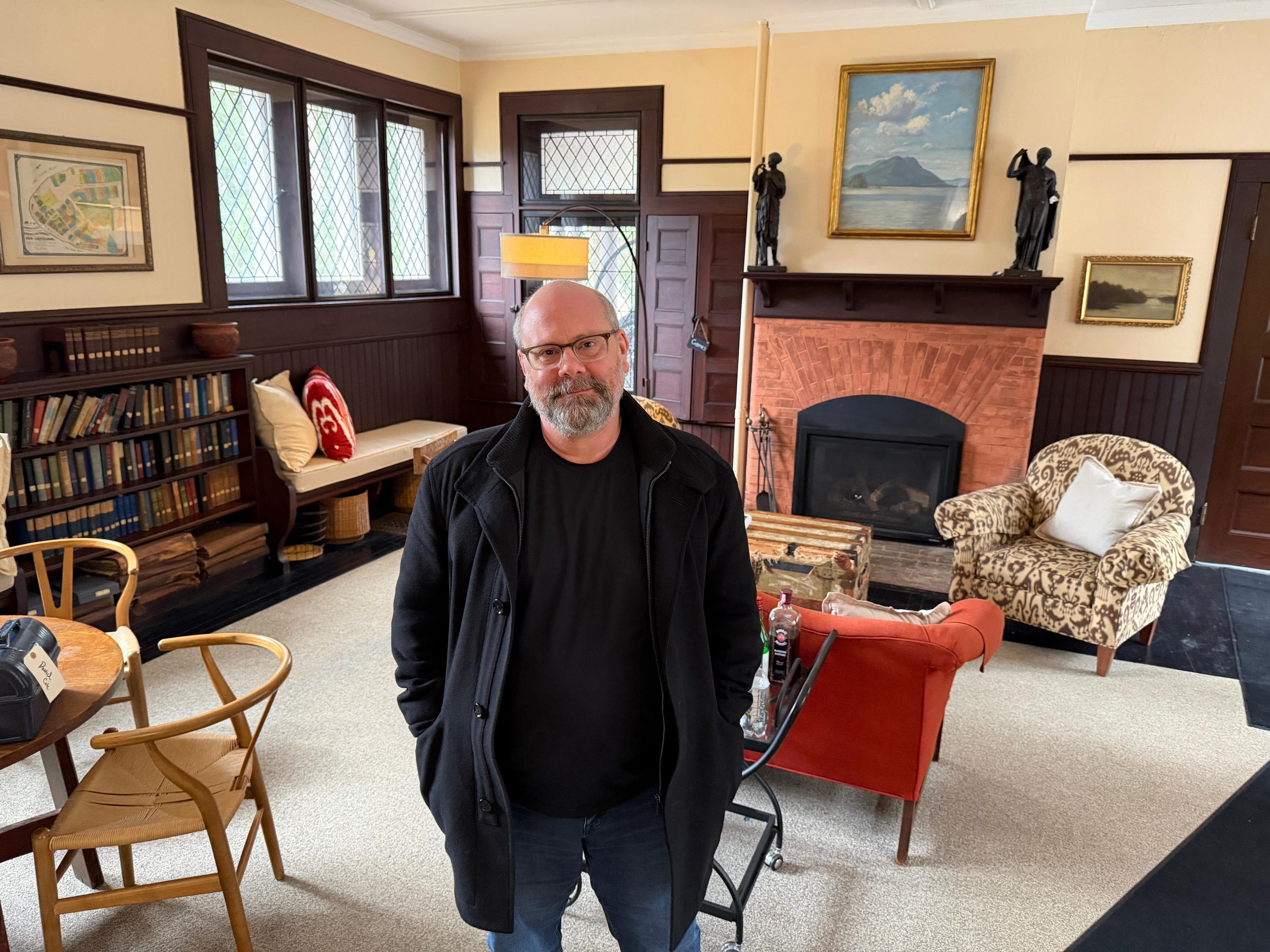
As a freelance theater reviewer couple of decades back, I was edited by David Cote more times than I can count. A longtime author, editor, critic, librettist (here, here, and here), and overall theater expert, David always knew what he was on about, often to my callow chagrin. Turnabout’s fair play, I thought as I opened his submission attachment for slips slips - but his absurd short riff on the criticism game, “Possible Opening of Fish Trousers,” spoiled my fun by being fun enough on its own, with nary a word to be changed. Damn you, Cote - always one step ahead!
ss: Describe a dialogue - in a film, a play, a book, or IRL - that blew your goddamn mind.
DC: All the witty, melancholy, ultimately heartbreaking dialogues between Philip Marlow (Michael Gambon) and Dr Gibbon (Bill Paterson) in Dennis Potter’s 1986 BBC miniseries The Singing Detective.1 A bitterly misanthropic writer of detective novels wracked with psoriatic arthropathy comes to terms with childhood trauma in sessions with a canny hospital psychologist. Just one layer of a quadruple-deck masterpiece that rocked my teenage world when broadcast on public TV circa 1987. I was a sad child who probably should have been in therapy. This laceratingly funny and bleak dramatic version was the next best thing.
ss: What do you see as the value of dialogue with people we don’t agree with? What do you see as its limitations?
DC: This is something I must work on. A writer ought to be curious, a sponge. Not necessarily to empathize with an abhorrent point of view. To collect them as material and create the illusion of greater polyphony in the writing. As a playwright, I constantly have to remind myself I’ve been a reporter; use those tools. You can’t always be burrowing inward; you have to forage in the world. I think this must be why some memoirists live chaotic, complicated lives: to mine the ore of their misery, I suppose.
ss: Name three writers, artists, or thinkers whose work you are in dialogue with, and tell us why you named them.
DC:
Charles Dickens, because he believed people were basically good
Patricia Highsmith, because she believed people were basically evil
P.G. Wodehouse, because he believed people were basically silly
ss: What do you think contributing to a weird little print-only art newspaper can do to foster dialogue with others?
DC: I’m all for anything that’s ephemeral, tactile, smearable, rippable, material, human. If a semibrainrotted juvenile sees someone reading a copy in the wild and gets inspired, job done.
ss: Is there any special background/context to your slips slips contribution that you’d like to share?
DC: I’ve been a theater critic for 25 years, a delightful waste of part of my life. I’ve been writing opera libretti and plays for about 15 years, à la "Hey, you got your chocolate in my peanut butter!"
See more of David’s work at Cote Notices
Learn more about slips slips (including how to get a copy) at slipsslips.net
Stay tuned for more info about upcoming events and submission opportunities!
Ed note: As of this writing, you can watch the whole thing on YouTube. Highly advised!
In a world of Armond Whites, be a Cote.
Reliably quirky! Is that an open bar cart at Yaddo?